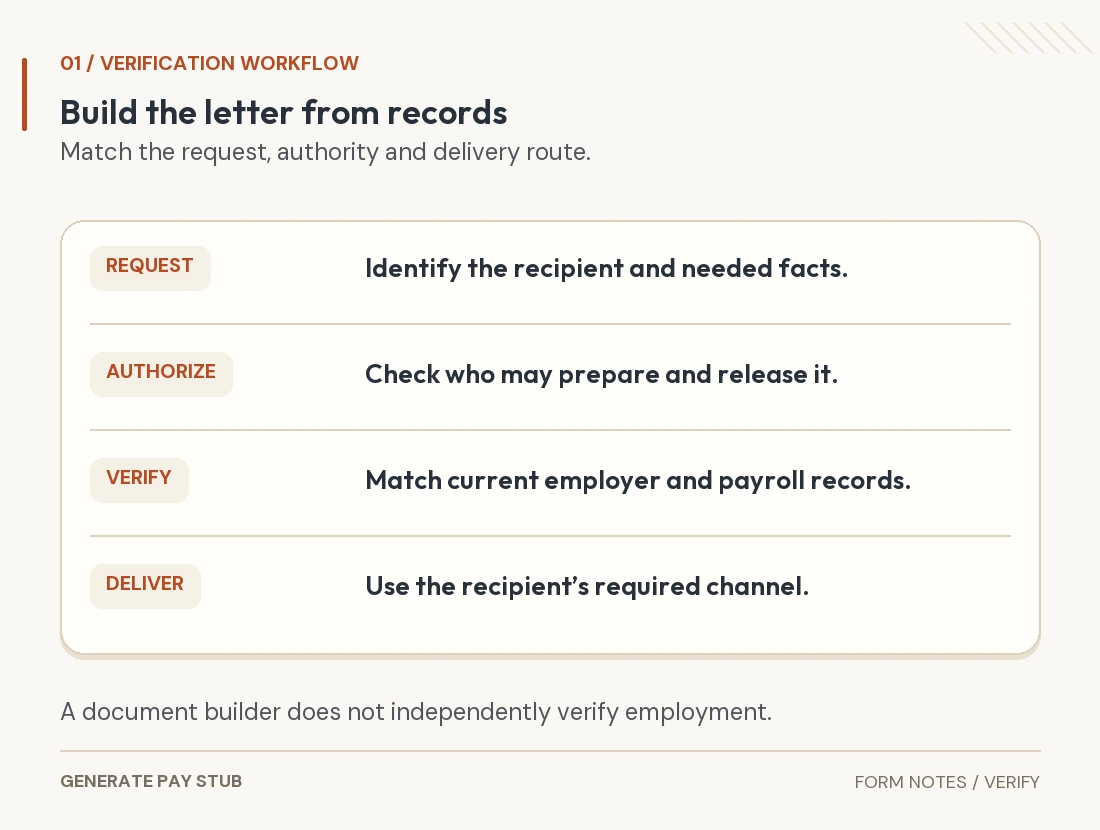
An employment verification letter should confirm genuine employment facts from the employer's records, be issued by an authorized representative, and answer the recipient's specific request. Identify the employee, employer, relevant dates and status; include compensation only when needed and authorized. A document builder formats those facts but does not independently verify them or guarantee a recipient will accept the letter.
A landlord may need confirmation of a current job. A mortgage lender may require a particular verification form, income history and direct employer delivery. Before drafting a general “to whom it may concern” letter, find out what the recipient actually needs and who is permitted to provide it.
Checked November 5, 2026. This U.S. guide covers employment-letter preparation. Its mortgage examples describe specific Fannie Mae documentation guidance, not requirements for every lender, housing provider or application. The fictional pay examples assume ordinary hourly earnings with no overtime or other compensation.
What does an employment verification letter actually verify?
It records specified facts about an employment relationship as of a stated date. Depending on the request, those facts may concern current employment, past employment dates, position, employment status or authorized pay information.
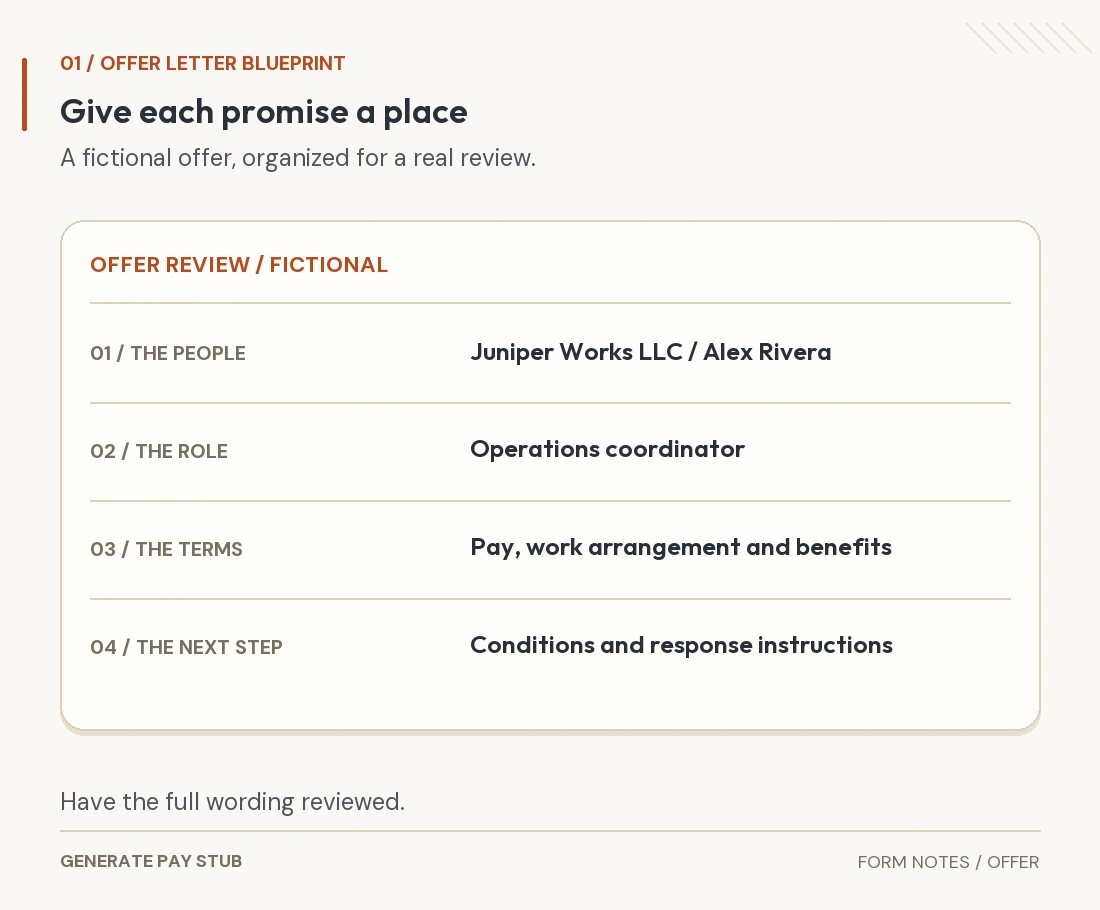
A letter confirming a current role is different from an offer for a job that has not started. It also serves a different purpose from a pay stub, which records particular earnings, taxes and deductions. Use the offer-letter guide for proposed terms and our loan income-record guide for the broader supporting packet.
Do not turn a factual statement into a guarantee of future work or an approval decision. For example, saying an employee currently earns a stated hourly rate does not, by itself, establish the amount a lender will recognize as qualifying income.
What should you ask the recipient before preparing the letter?
Confirm the required facts, format, recency and delivery route. These questions can prevent a carefully formatted letter from answering the wrong request:
- Purpose: current employment, prior dates, income history or another defined fact?
- Document: a general letter, the recipient's own form or an approved verification service?
- Timing: which as-of date and earnings period are needed?
- Authority: who may sign, and what authorization is required to release the information?
- Delivery: may the employee forward it, or must the employer send it directly?
There is no universal “valid for 30 days” rule established by a letter template. Ask the actual recipient. For example, Fannie Mae's employment-and-income documentation standards contain program-specific document-age, source and completeness requirements. Those standards should not be reduced to a generic expiration date printed on every employment letter. Fannie Mae: Documentation standards.
Who should write and sign an employment verification letter?
The employer's authorized representative should verify the facts and approve the release. Depending on the organization, the responsible person may work in HR, payroll, personnel administration or another authorized function.
An employee can ask for a letter and provide the recipient's instructions. An employee-supplied draft can help identify the request, but it should not be represented as an independently issued employer verification before the proper person reviews and authorizes it.

Use an appropriate business contact for follow-up. A recipient may need to confirm the information independently. If an employer uses a verification provider, ask how the authorized process works rather than trying to create a substitute document that appears to come from someone else.
Which details belong in the letter?
Include the requested facts with enough context to interpret them. The following is a practical review framework, not a requirement to disclose every field in every case.
| Information | What to identify | Check before release |
|---|---|---|
| Employer and signer | Actual employer, authorized representative, title and approved business contact. | Is the issuing person permitted to verify these facts? |
| Employee and role | Employee name and relevant position or department. | Does the wording match the employer’s records? |
| Employment dates and status | Start date, current status, or end date for past employment. | Is the statement true as of the letter date? |
| Compensation, if requested | Amount, rate period, payment frequency and relevant earnings period. | Are gross base pay, actual earnings and net deposits distinguished? |
| Document context | Letter date, recipient, purpose and authorized delivery method. | Does this satisfy the recipient’s format and submission instructions? |
State a rate period clearly: $28 per hour differs from $28 per week. An earnings total also needs its time period. If a YTD amount is requested, include the recorded total and the date through which it applies, using the underlying payroll records.
For covered nonexempt employees, DOL's recordkeeping guidance identifies pay basis, hours, earnings and pay-period information as distinct records. That distinction is useful when checking what the employment letter is actually describing. DOL Fact Sheet 21.
How should you describe hourly pay without inventing an annual salary?
Verify the actual rate and any separately requested hours or earnings. An hourly employee's base rate is not automatically a fixed annual salary.
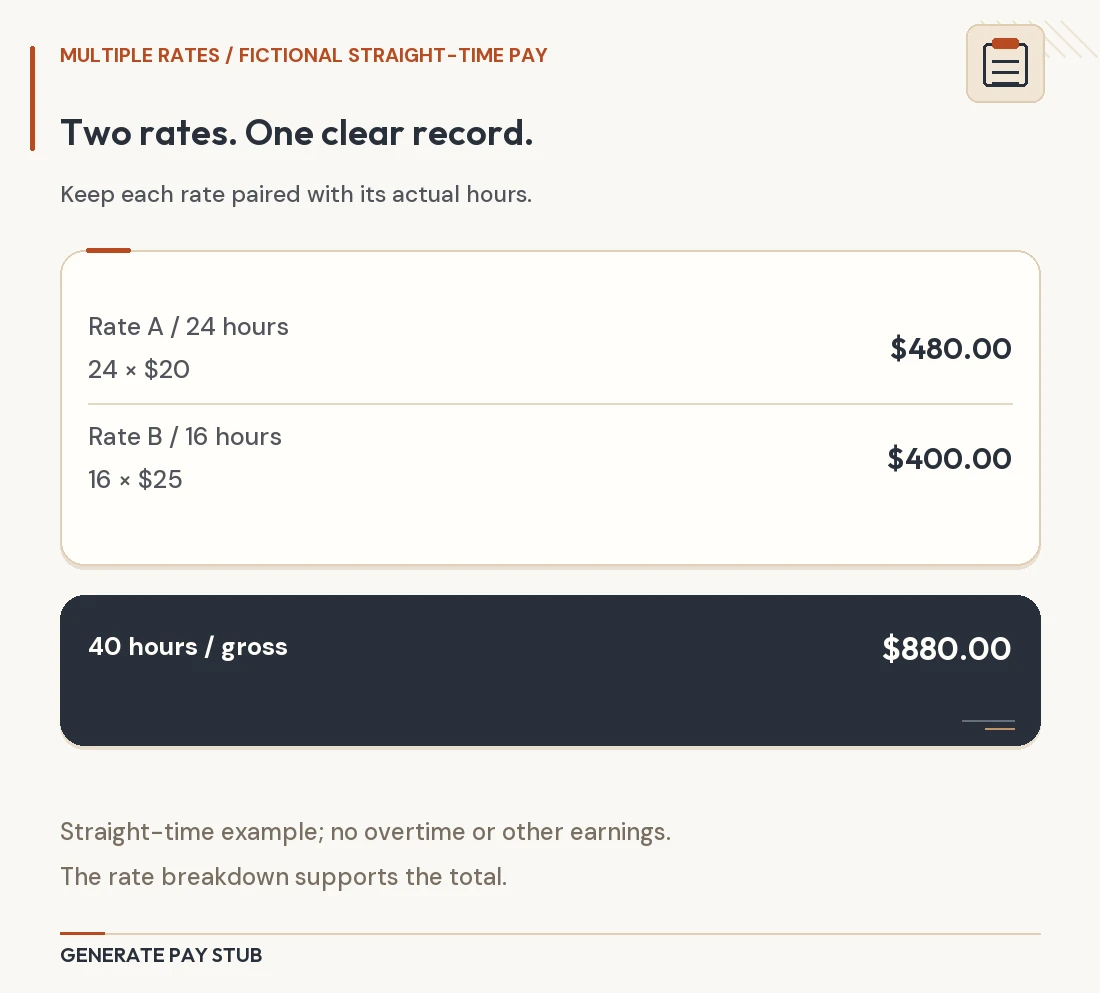
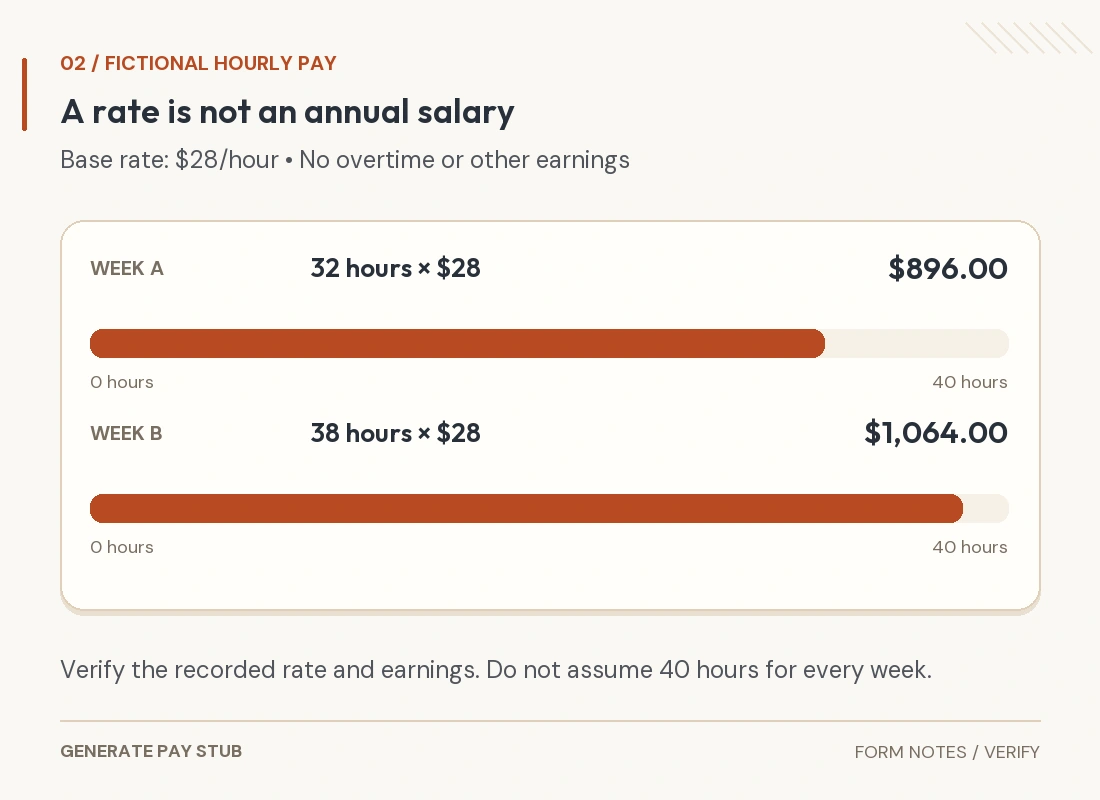
Assume a fictional employee earns $28 per hour. In one week, 32 ordinary hours produce $896 gross. In a different week, 38 ordinary hours produce $1,064 gross. Assume no overtime, premiums, paid leave or other earnings are involved. Both weeks can be consistent with the same verified $28 hourly rate.

Multiplying $28 by an assumed 40 hours for 52 weeks produces $58,240, but those assumptions do not establish that the employee has a $58,240 annual salary or actually receives that amount. If average weekly hours are requested, use the relevant records and explain the period used; do not select a favorable week and label it typical.
Mortgage income assessment is a separate task. Fannie Mae's general income guidance emphasizes documented income history, stability and reasonable expectation of continuance, with rules depending on income type. A formatted employment letter does not perform that underwriting analysis. Fannie Mae: General income information.
Our gross pay and taxable-wage guide helps distinguish payroll amounts. A bank deposit can differ from gross earnings because of taxes, deductions or payment allocation; avoid copying the deposit into a field asking for gross pay.
What does a careful employment-verification paragraph look like?
Use factual wording the employer is authorized to confirm. The bracketed fields below are placeholders for review, not an issued employment record:
As of [letter date], our records confirm that [employee name] is employed by [employer] as [position], with an employment start date of [date]. The current base rate is [amount and rate period]. [Include any separately requested hours or earnings only when verified and authorized.] Please direct permitted follow-up inquiries to [approved business contact].
Add the issuer's name, title, signature arrangement and any other required context. For former employment, replace the current-employment statement with the verified dates and historical facts. Do not retain “is employed” merely because it appears in a saved template.
The appropriate wording depends on the request and employer policy. A confirmation of employment should not become an unsolicited character reference, medical explanation or prediction about future income.
Is a general letter the same as mortgage Form 1005?
No. A recipient's prescribed verification form has its own fields and process. Fannie Mae's Request for Verification of Employment, Form 1005, separates the lender's request, employee authorization, employer's information and authorized signature. Its instructions specify direct transmission between the lender and employer rather than through the applicant. Fannie Mae: Form 1005 and instructions.
The current Selling Guide also describes applicable authorizations, optional fields and alternative verification methods. Ask the lender which process it requires. Do not assume a generic employment PDF replaces its form, an approved electronic verification or additional income documents.
For a rental application, ask the housing provider for its actual requirements instead of importing mortgage rules into the request. Our rental income-packet guide explains how supporting documents can answer different questions.
How should you handle employee information and delivery?
Confirm the requester and disclose only the information appropriate to the authorized request. Follow employer policy and applicable privacy or employment law. The IRS treats identifiers such as SSNs and EINs as sensitive personal information and recommends protecting them and verifying whom you are sharing with. IRS identity-protection guidance.
Check the recipient address and access permissions before release. A verification letter normally does not need unrelated bank details or tax-return pages attached automatically. If a prescribed process requires additional identifiers, use its verified protected route rather than circulating them in a general project folder.
Retain the request, authorization where applicable, the reviewed letter and a record of delivery according to the organization's retention requirements. A saved editing link can expose draft details, so keep it with the same care as the document.
What if employment dates, pay or status do not match?
Resolve the discrepancy in the underlying records before confirming an unsupported fact. Identify whether the issue concerns a start date, legal employer, title change, base rate, earnings period or an amount defined differently in the two documents.
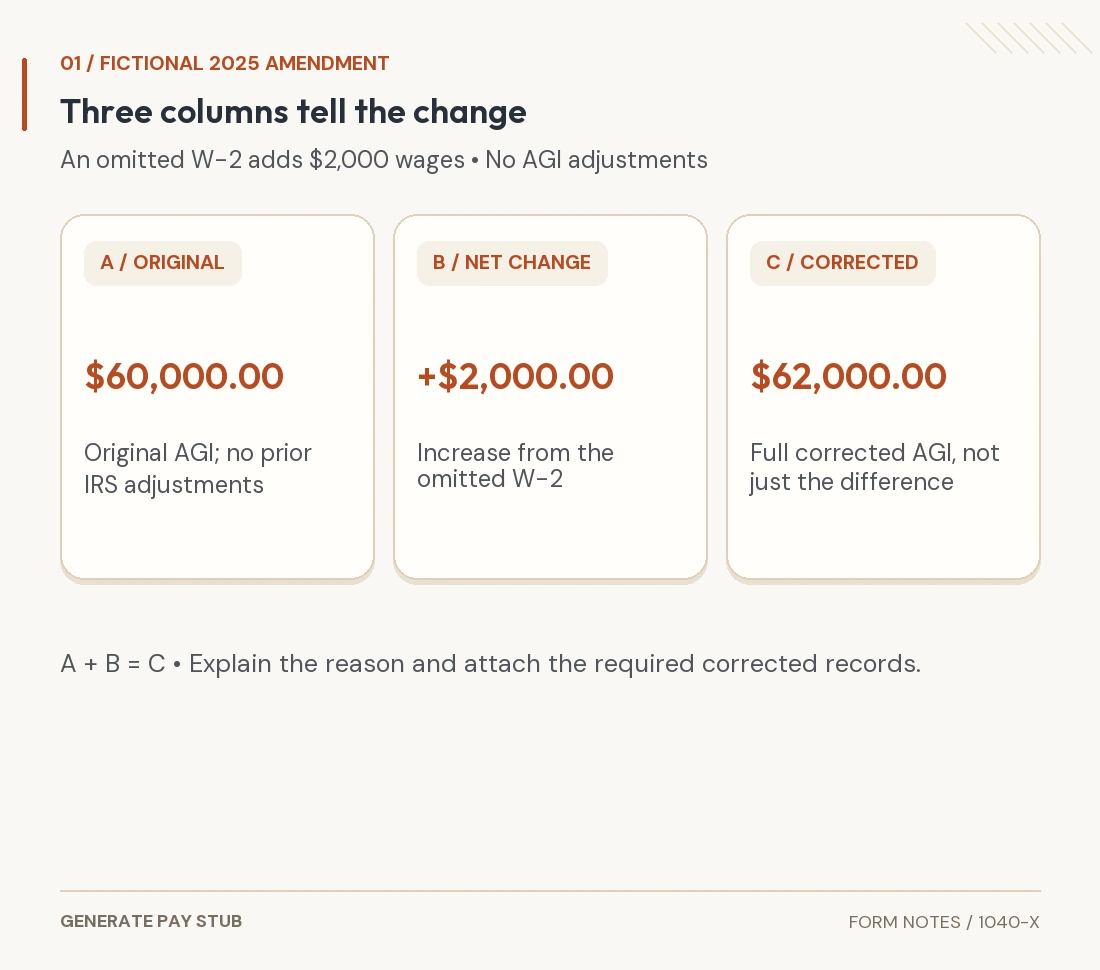
A current annual rate and a previous year's gross wages need not be identical. Likewise, a new pay rate does not retroactively apply to every earlier paycheck. Give the relevant dates and context rather than altering a historical amount to make the documents appear the same.
If employment ended, verify the historical period and use the proper status. If the person is self-employed or owns the business, disclose the actual relationship and ask the recipient what evidence it requires. Do not present an owner's own summary as an unrelated employer's independent confirmation.
When a letter needs correction, issue an authorized revised version and identify what it replaces. If a change in employment affects an ongoing application, communicate through the recipient's required process; the letter's appearance cannot settle eligibility.
How can you prepare the letter in Generate Pay Stub's builder?
Use it after authority, facts and disclosure scope are established. The employment verification guide describes the document option. In the verification-letter builder, enter the actual employer and representative, employee details, dates and verified status.
Compensation is optional. If needed, identify its rate period and frequency. For a YTD figure, enter the recorded amount and as-of date; the current tool does not calculate those earnings. Review the recipient, additional wording, signature choice and every preview page.
The builder does not independently authenticate employment, run a background check or complete Form I-9. Follow its current document-completion instructions, then use the recipient's authorized delivery route. The issuing employer remains responsible for checking and approving the content.
This is general document-preparation information. Fictional arithmetic and sample wording do not establish employment, income eligibility, privacy-law compliance or acceptance by a lender or housing provider.